All posts by Jason | Kraken

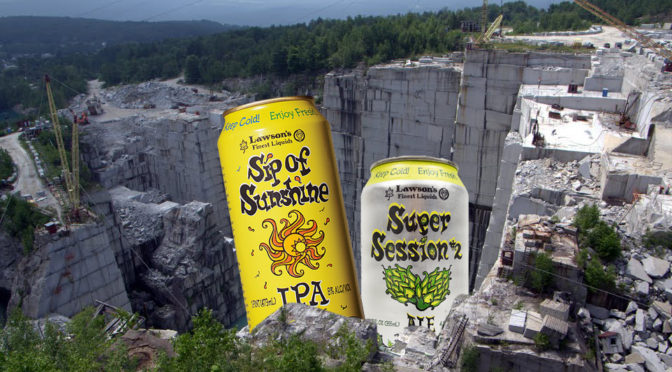
Buy Lawson’s Sip of Sunshine | Super Session 2 | FRI 04/21 & SAT 04/22

Here’s something Woodchucks will understand… don’t take Lawson’s beer for ‘granite’! 🙂

Lawson’s Finest Liquids stock status:

Sip of Sunshine IPA Cans:  $13.79/4pk

  • Friday 04/21 – 2 packs per person while it lasts | Sold out, more tomorrow at 10a 🙂
  • Saturday 04/22– 1 pack per person | 10a Release

Super Session Cans:

  • $21.99/12pk | $10.99/6pk – In Stock 🙂

Bottles This Week – None this week!

Limits are per person of consumption age,
prices do not include VT tax/deposit.

sdes-Lawsons Final Banner

30 Days of Rosé | #14 | A Tribute To Grace | Rosé of Grenache | Santa Barbara Highlands Vineyard | 2016

30 Days of Rosé | #14 | A Tribute To Grace | Rosé of Grenache | Santa Barbara Highlands Vineyard | 2016 | 13.1% ABV | $23.99

Number 14 of our 30 Days of Rosé is one of the most sought after Rosé wines we get – A Tribute To Grace.

Only a handful of cases of this muchly sought after Rosé make it’s way over from Angela, most of it is instantly snapped up by people in the industry and repeat customers waiting for it.

This wine quickly sells itself every year without marketing it so if you want a bottle (which you do!!) of Angela’s Rosé, get yours before they are gone!

From the bottle:

This wine is a tribute to Grace, my Grandmother, whose quiet strength and guidance has taught me the true meaning of her name.  As my own journey unfolds, grace has become me most revered of nature’s atributes, thus making Grenache the perfect medium.

To grace and Grace,

–  Angela Osborne | Winemaker


From gracewinecompany.com:

A Tribute To Grace Wine Company is dedicated to crafting authentic expressions of Grenache.

All wines are single-vineyard sourced to maintain authenticity, and remain 100% Grenache.

Santa Barbara Highlands Vineyard, Cuyama Valley, Santa Barbara County

The Santa Barbara Highlands Vineyard is situated 33 miles east of Santa Barbara, in the Sierra Madre Mountains. Sitting at 3200 feet elevation, the setting is home to sand, brush, exposed rock, and the odd dingo-type wild dog. And grapes. On my first visit to the vineyard (as pictured in this photo), my mother and I were driving the 33-highway route north from Ojai and were beginning to wonder if we had indeed entered the famed Ojai vortex, so foreign was the setting. We hadn’t seen a single soul in over an hour – in fact nothing living save the odd Matilija mountain Poppy. Upwards we continued to climb, until finally we rounded yet another hairpin-bend and both gasped. Nestled below, amidst a vast sea of sand, were row upon row of vibrant vines.

And so is the setting for this incredible vineyard. Arid and blazing hot in the summertime, snow-laden and sleepy in the wintertime. Not that the summer months see an influx of people, I believe the permanent population of Ventucopa is 59…

I have an ongoing lease of three rows in this remarkable vineyard, which is owned by Laetitia Vineyard and Winery, and nurtured by their famed vineyard manager Lino Bozzano. The entire vineyard is managed sustainably, and planted according to particular site-specificity. Although there are a total of 12 varieties planted, the Grenache plantings represent only 4% of the total vineyard – with five different Grenache clones planted. I am one of five winemakers currently producing wine from this block, and the difference in the wines we each produce speaks volumes as to the part man plays in winemaking.

~ Grace’s Story ~

I am a New Zealand born winemaker who moved to California in 2006 with the dream of making Grenache. In the land from which I stem, the climate is too cool to ripen this sun-loving beauty. And so began my search: northern Spain, southern France, southern Australia, California…

Abundant sunshine and entrepreneurial spirit led me to the latter, and in 2007 I sourced my first Grenache fruit from the Santa Barbara Highlands Vineyard. Nestled high above the Pacific Ocean and 33 miles inland, this high-desert vineyard provided the perfect balance of heat and light I sought.

I chose to name my label after two of my favourite things: my Grandmother Grace, and my most beloved attribute. My winemaking intention is to capture this spirit, and stay as close to nature as humanly possible. The trio is completed by the grape itself, which to me encapsulates grace.

To grace and Grace,

 – Angela Osborne


~ The Day My Toe Took Over ~

My first Thanksgiving in California in 2006 saw me strolling the sands of Moonlight Beach, Encinitas. I was thinking of my Nana Grace, and how much she would love this american tradition ~ and was drawn to write ‘grace’ in the sand with the big toe of my right foot. When I stood back and looked at it, I realized this would be my label: a tribute to grace.

Luckily for me, my dear and most talented friend Nicole Sykes advised me against using this actual image for my label, and instead provided the graceful design that has adorned each bottle since 2007. The Queen Anne’s Lace motif comes from a dried flower she found in a Dublin vintage market, symbolizing simplicity, femininity and the circle of grace.

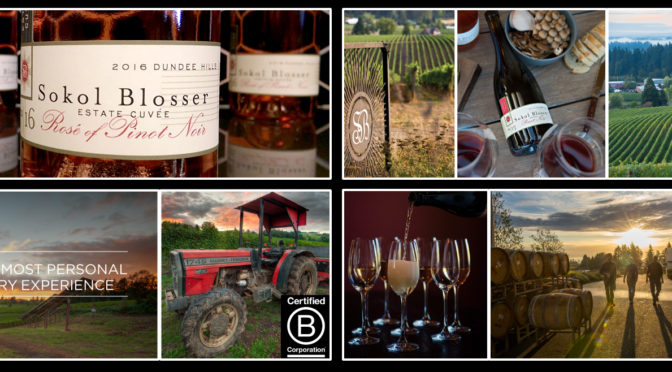
30 Days of Rosé | #13 | Sokol Blosser | Estate Cuvée Rosé | Pinot Noir | Dundee Hills, Oregon | 2016

30 Days of Rosé | #13 | Sokol Blosser | Estate Cuvée Rosé | Pinot Noir | Dundee Hills, Oregon | 12% ABV | 2016 |17.99

Lucky number 13 is one of our favorite non-sparkling rosé wines!  We’ve been to multiple industry tastings, and we both agreed it was a solid top 3 rosé for both of us, and a number 1 for one of us.  At under $20 a bottle, this fresh, stunner of a rosé is one of the outstanding gems in our 2017 selection.  Enjoy this invigorating rosé – we sure do!!

From sokolblosser.com:


2016 Estate Rosé of Pinot Noir

Our classic dry rosé is made from organic pinot noir grapes from two different sections of our Estate. The grapes were hand harvested and de-stemmed, and we soaked the juice on the skins for four to six hours before pressing. We maintained an extended, slow, cool fermentation to preserve the lively fruitiness and delicate floral aromas. The fermentation was stopped with just a hint of residual sugar to balance the firm acidity, resulting in a wine that is crisp, vibrant, and refreshing.

Dedication, Quality and Concern for People, Planet and Profit –

From the start, the Sokol Blossers were aware of the impact that farming and wine production would have on the environment. Before it was popular, the winery did everything it could to give back to the land. Today, the second generation winegrowers of Sokol Blosser continue this ‘good to the earth’ policy through certified-organic farming, sustainable business practices and low impact packaging. In fact, in 2002 Sokol Blosser became the first US winery to receive LEED (Leadership in Energy and Environmental Design) Certification. In April 2015, the company went through the rigorous process to become a Certified B Corporation.

Sokol Blosser Is Now A Certified B Corporation –

Sokol Blosser has always strived to be a leader in sustainable practices and is proud to be a Certified B Corporation. For many years, we have evaluated our business success through a holistic approach to managing our bottom line: the triple bottom line – people, planet and profit. Achieving B Corp certification further establishes our commitment through measurable high standards of social and environmental performance, transparency and accountability. To achieve this certification, we underwent a rigorous evaluation to measure the social and environmental impact of our business. As a Certified B Corporation we are proud to join a community of 1,200 companies from more than 121 industries in 41 countries.

  •  Our devotion to world class quality is paralleled by a desire to achieve it sustainably.
  • We pursue sustainable practices in all phases of our business, as our B Corp Certification supports. This commitment to the earth, people and business will continue as long as the winery is in operation.
  • We farm our estate vineyards organically and received full USDA (United States Department of Agriculture) organic certification in 2005 and are certified through Oregon Department of Agriculture.
  • We use 50% biodiesel in our farm tractors and trucks.
  • We have a 25kW solar panel system and purchase renewable wind power from PGE.
  • We use a no-waste, energy efficient crossflow filter on our white wines.
  • We recycle everything we can, from office paper to pallet shrink wrap.
  • We use unbleached paper products for labels, wine boxes and gift bags whenever possible.
  • We are a member of the Prescott Western Bluebird Recovery Project.
  • Vineyard plantings of lavender, yarrow, rudbeckia, and Russian sage help to provide habitats for beneficial insects and expand our vineyard ecosystem.
  • Our underground barrel cellar, built to US Green Building Council standards, became the first winery building in the country to earn the prestigious LEED (Leadership in Energy and Environmental Design) certification.

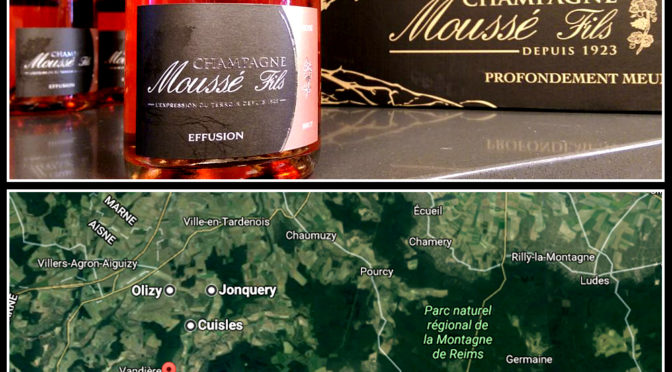
30 Days of Rosé | #12 | Effusion | Moussé Fils | Champagne Rosé | 2016

30 Days of Rosé | #12 | Effusion | Moussé Fils | Champagne Rosé | 2016 | $47.99

We sift through well over 1,000 wines a year to pluck the best to share with you – it’s hard work!

We have an extensive selection of sparkling Rosé and were not looking at all to add another one, especially if it would retail at over $500 a case.

Moussé Fils whipped our heads around, sent us into a tizzy, and we HAD to have it.

We mulled over dozens  of reasons to not buy it, head, heart, and palate battled – our visceral senses won over our brains because Moussé Fils was too delicious to not bring in.

With only a couple exceptions, we’d rather drink this any other sparking wine we’ve ever had under $150 which is saying a lot considering everything we’ve had over the years.

Skip the big commercial brands, and grab a bottle of Moussé Fils for brunch, special celebration or casual occasion.. or hint hint nudge nudge… the next time you want delight your partner (or treat yourself – we know you deserve it!).

At $47.99, Moussé Fils punches twice above it’s weight class for flavor and pleasure.  To say the least, this one is a stunner.

It’s hard not to be too enthusiastic about this wine. We’ll stop talking and let you explore it.

In case you didn’t notice, we plainly hardcore ♥ Effusion Moussé Fils Champagne Rosé.


Moussé Fils | champagnemoussefils.com

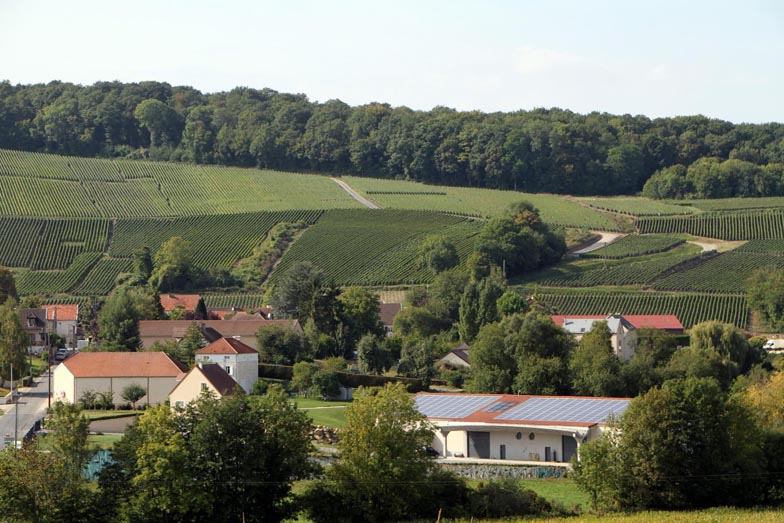
You’ll find Champagne Moussé Fils in the heart of the Marne River valley in the village of Cuisles where, since 1923, perfecting the art of growing Meunier and bringing it to the peak of its potential has been the guiding principle of everything we do.

Our vineyards are spread out across 4 different villages yet all of them are on the same hillside; an unusual characteristic that is reflected in all of our champagnes.

Our family has been making champagne for 4 generations now and we’ve been growing vines from as long ago as 1750 so you can understand why we attach so much importance to looking after the environment. We want to ensure that our champagnes reflect all the character and personality of our vineyards and to achieve that we pay the most scrupulous attention to each stage of the wine making to ensure that everything is done as naturally as possible.

Our Principles

  • Use of the natural light
  • No chemical weeding
  • We use plants to protect other plants
  • Horse ploughing
  • Wood diseases treatment with perfusions of essential oils
  • We use the latest light-weight bottles to reduce CO2 emissions
  • Much of our water comes from natural springs
  • When old vines are dug up they are used for household heating
  • The cellars are temperature controlled using a soil-air heat exchanger
  • Protecting the vines and taking care of the environment
  • Each building produces its own hot water from solar panels
  • Chilling of the wine in a natural way
  • Planting seeds following the moon’s cycle
  • Tractor’s decontamination in a specialized washing station
  • Growing grass in the vines in Autumn to improve soil quality
  • Mirror-finished tank to save water
  • Self-sufficient in electricity
  • Eco-conceived storehouse

« We do not inherit the earth from our parents,
we borrow it from our children ». – Antoine de Saint-Exupéry


Moussé Fils | Champagne Rosé | 2016

  • Cépage:  92% Meunier 8% Pinot Noir
  • Assemblage:  Blend of solera 2003-2014 and 12% red Wine from Meunier
  • Info/Source:  Sourced from vineyards in Cuisles, Jonquery, Châtillon-sur-Marne and Olizy.
  • Vines:  25 years old on average.
  • Malo:  Yes
  • Elevage:  Oak and stainless steel tank
  • Sur Lees:  16 months
  • Region:  Champagne
  • Appellation:  Vallee de la Marne
  • Color:  Rosé
  • Farming Practice:  Practicing Organic

What are the origins of Meunier?

It’s a more rustic variation of its genetic parent Pinot Noir and was called Meunier, without the word Pinot, so as to avoid confusion between the two.

Where does the name Meunier come from?

According to reference books about grape vines it seems that the name comes from the characteristic, soft, white coating on the leaves that makes them look as though they’ve been covered in flour, hence the name Meunier which means Miller in English.

These days Meunier has a good reputation, but that hasn’t always been the case. Why is that?

Meunier was often disparaged when used on its own and for years it was shunned by the big champagne houses. It was only Henri Krug who sang its praises. In the 1970s there was even a premium paid for what were called ‘Noble Grapes’ but it applied only to Chardonnay and Pinot Noir.

Fortunately, for the past few years, Meunier has been regaining its reputation and today it’s considered to be the perfect varietal for blending. You only have to look at the great Meunier champagnes of René Collard to see the truth of this.

Why is Meunier the preferred varietal at Champagne Moussé Fils ?

Our family has been growing Meunier for 12 generations and every generation has believed in its vast potential. I wanted to give Meunier the respect it deserves and to show lovers of fine champagne that Meunier can produce wines of the utmost finesse. Our motto “Deeply Meunier” is the perfect illustration of that ambition and the perfect reflection of our wines: fine, elegant, and fruity.

– Cédric Moussé


Lawson’s Sip of Sunshine | The Space in Between | Idaho 7 IPA | Super Session | FRI 04/14 & SAT 04/15

Vroom!  Be speedy about picking up your Lawson’s this weekend, we are blessed with bottles this week… they’ll GO FAST!

Lawson’s Finest Liquids stock status:

Sip of Sunshine IPA Cans:  $13.79/4pk

  • Friday 04/14 – 2 packs per person while it lasts | Sold Out 🙂
  • Saturday 04/15– 1 pack per person | 10a Release

Super Session Cans:

  • $21.99/12pk | $10.99/6pk – In Stock 🙂

Bottles This Week – The Space Between | $8.49 & Idaho 7 IPA | $8.49

FRIDAY – 1 bottle of each type per person to the first 24 people – 10a release – Sold out 🙂

SATURDAY – One bottle only, you pick which one you want (unless the one you want is gone!) to the first 20 people in line


Limits are per person of consumption age,
prices do not include VT tax/deposit.

sdes-Lawsons Final Banner


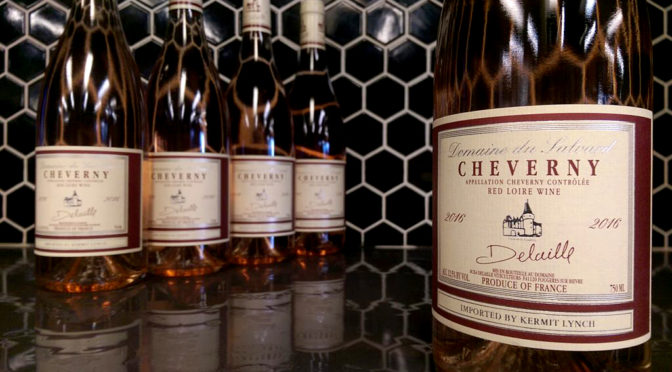
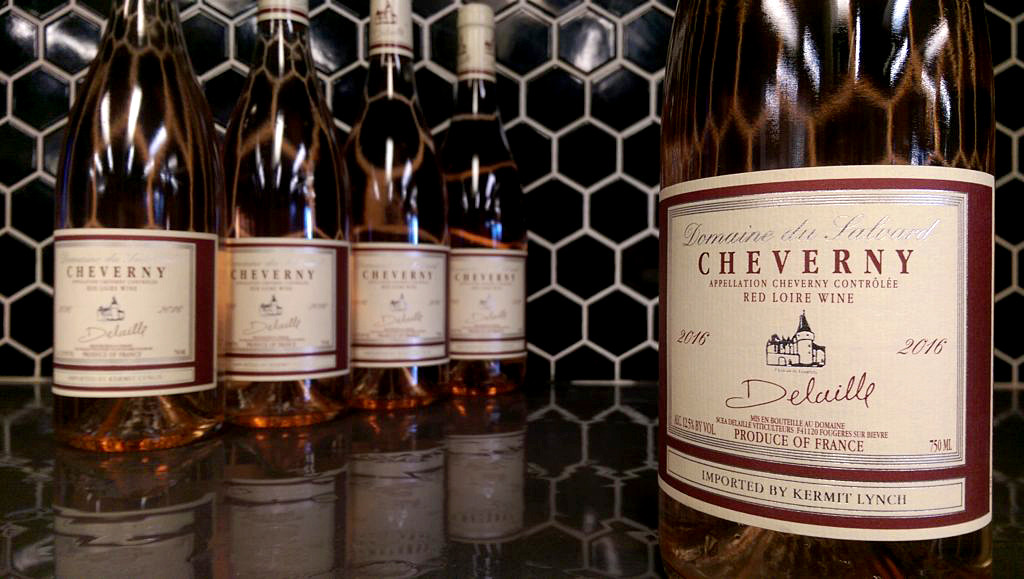
30 Days of Rosé | #11 | Emmanuel & Thierry Delaille | Cheverny Rosé | Vin de Pays du Val de Loire | 2016

30 Days of Rosé | #11 | Emmanuel & Thierry Delaille | Cheverny Rosé | Vin de Pays du Val de Loire | 2016 | $14.99

Ah wine from Cheverny… white, red, or rosé, is a rising star in our French wine section.  We’re mesmerized not just by the superb balance and sensory experience of these wines, but also because we’ve personally met with the makers who carefully harvest the grapes, make the wine, and ship it over to us in this small community.  We are most delighted to not just support our friends who responsibly craft these craveable wines, but to share their labor of liquid love with you. 

From kermitlynch.com/our-wines/domaine-du-salvard:

Domaine du Salvard

Domaine du Salvard has been a working domaine since 1898, through five hardworking generations of the Delaille family. Today, all forty-two hectares of vineyards are farmed by the capable brother team of Emmanuel and Thierry Delaille, with help from their father Gilbert. To our delight, they have carried on the traditions established by their ancestors, producing a true, classic Cheverny that is both simple and elegant. The Delaille brothers have focused their attention on growing fresh, lively Sauvignon Blanc, deeply rooted in the sand, clay, and limestone plains of northeastern Touraine. Pinot Noir, Gamay, and Cot constitute their red grape holdings, creating youthful reds with great aromatics. Gilbert and his sons have also made their own contributions to the heritage of the domaine, including the introduction of sustainable farming practices into the vineyards, as well as temperature-controlled vinification equipment to the winery.

Until finally achieving A.O.C. status in 1993, Cheverny was widely regarded as one of the best V.D.Q.S. (Vin de Qualité Superieur) of the Loire. However, some argue that this A.O.C.-in-waiting designation was a political maneuver by the I.N.A.O. to keep Cheverny’s delicious, sprightly Sauvignon Blanc out of competition with the other more famous appellations of Sancerre and Pouilly-Fumé. Kermit was the first to discover the charm and value of Cheverny back in 1978 when he imported the Domaine Jean Gueritte. He took on the Cheverny of Domaine du Salvard in 1992, a year before the status change in the appellation. We continue to tout the domaine’s wine as one of the greatest values for Sauvignon Blanc perfection.

VITICULTURE / VINIFICATION

  • All wines are vinified in temperature-controlled stainless steel cuves
  • All wines age on fine lees in stainless steel tanks and are bottled unfiltered
  • Rosé is 50% free-run juice, 50% pressed
  • 65% Pinot Noir / 35% Gamay

The proliferation of synthetic fertilizers, pesticides, herbicides, and fungicides in the 1950s has made France the single largest consumer of phyto-chemicals in Europe today. The subsequent degradation of the soil has ensued, killing off the necessary microbiotic life forms that support healthy soils. Lutte raisonnée, literally “reasoned fight” (in French), or “supervised control” (in English), is a reaction to the use of such chemicals, regarded as a pragmatic approach to farming, where chemical treatments are used only when absolutely necessary. Biodiversity in the vineyards is encouraged through the planting of cover crops, rigorous plowing of the soils, and the use of manures and natural composts to fertilize the vines. Some growers use this as a first step towards full organic farming. Others find it a happy medium between conventional methods and the stricter demands dictated by organic certifying agencies. There is a wide berth of interpretation concerning these methods. Some farmers work through certifying agencies such as Terra Vitis, following a specific set of specifications and requirements. Others farm independently, following organic methodologies, and reserving treatments only when conditions are optimal (for example, when there is no wind). Zoologists have introduced more environmentally-friendly concepts such as integrated pest management, or hormone confusion, which prevents the reproduction of certain pests that may threaten the vines. The reduction of sprays not only contributes to the health of the vines and the greater ecosystem, but also to the health of the winegrowers (who account for the largest percentage of cancer cases among farmers).

If you revel in Chinon Rosé like us, we encourage you to explore Chinon, the first installment in our 30 Days of Rosé!

30 Days of Rosé | #01 | Kermit Lynch | Chinon Rosé | Charles Joguet